Performing arts encompass a range of creative activities, including music, dance, drama, and theatre. These disciplines offer more than just a fun outlet for kids—they provide a myriad of developmental benefits. Integrating performing arts lessons into a child’s education can significantly enhance their cognitive, emotional, social, and physical growth. Here’s a closer look at the many benefits of performing arts lessons for children.
Enhanced Cognitive Development
Boosts Academic Performance
- Improved Literacy and Numeracy: Performing arts activities like reading scripts, memorising lines, and understanding rhythms and beats can enhance literacy and numeracy skills.
- Critical Thinking: Engaging in performing arts requires problem-solving and analytical thinking, which are crucial for academic success.
Stimulates Creativity
- Innovative Thinking: Performing arts encourage children to think creatively and explore new ideas, fostering innovative thinking.
- Imagination: Activities like improvisation and role-play stimulate imagination and help children develop creative solutions to problems.
Emotional and Psychological Benefits
Builds Confidence
- Self-expression: Performing arts provide a platform for children to express themselves freely, boosting their confidence.
- Public Speaking: Regular performances help children become comfortable speaking in front of an audience, reducing stage fright and enhancing public speaking skills.
Enhances Emotional Intelligence
- Empathy: Understanding and portraying different characters and emotions helps children develop empathy and a deeper understanding of others’ feelings.
- Emotional Regulation: Performing arts teach children to manage their emotions, channelling their feelings into their performances.
Social Skills and Teamwork
Promotes Collaboration
- Teamwork: Participating in group performances teaches children the importance of teamwork and collaboration.
- Listening Skills: Working with others in performing arts requires attentive listening and responding, enhancing communication skills.
Develops Social Interactions
- Making Friends: Performing arts classes provide a social environment where children can make new friends and build strong social connections.
- Respect and Tolerance: Engaging with diverse peers in performing arts fosters respect and tolerance for different perspectives and backgrounds.
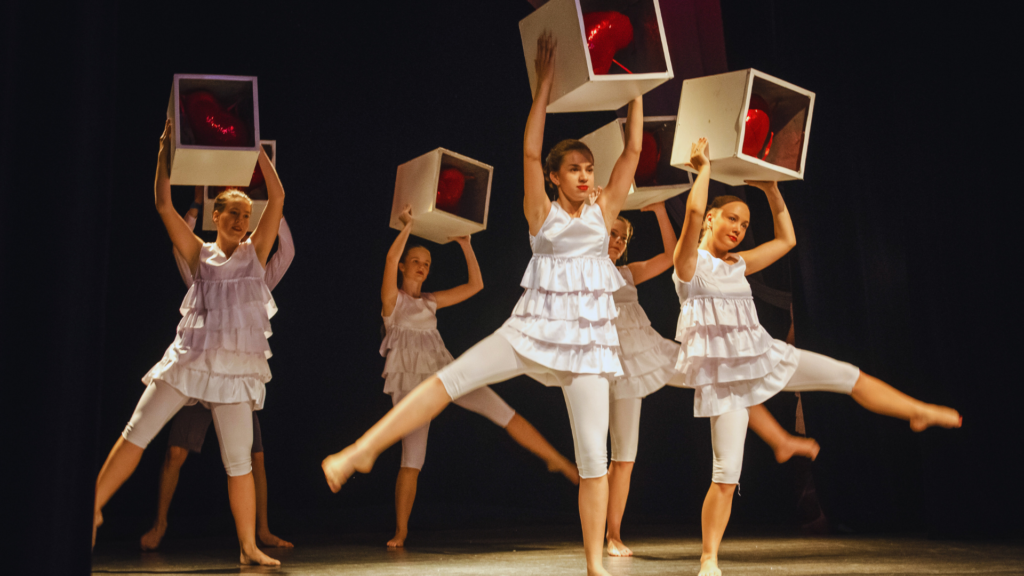
Physical Development
Enhances Motor Skills
- Coordination and Balance: Dance and movement activities improve coordination, balance, and overall motor skills.
- Fine Motor Skills: Playing musical instruments and manipulating props in performances refine fine motor skills and hand-eye coordination.
Promotes Physical Fitness
- Active Lifestyle: Regular participation in dance and movement activities promotes an active lifestyle, contributing to overall physical fitness.
- Health Benefits: Performing arts activities can help maintain a healthy weight, improve cardiovascular health, and enhance overall physical wellbeing.
Cultural Awareness and Appreciation
Broadens Cultural Horizons
- Diverse Exposure: Performing arts expose children to different cultures, traditions, and histories, broadening their cultural horizons.
- Cultural Appreciation: Understanding and participating in various cultural performances foster appreciation and respect for diversity.
Encourages Lifelong Learning
- Curiosity and Exploration: Performing arts inspire curiosity and a love for learning, encouraging children to explore new ideas and cultures.
- Global Citizenship: Engaging in culturally diverse performances helps children develop a sense of global citizenship and interconnectedness.
Practical Life Skills
Discipline and Time Management
- Commitment: Regular practice and rehearsal instil a sense of discipline and commitment in children.
- Time Management: Balancing performing arts with academic responsibilities teaches children effective time management skills.
Resilience and Perseverance
- Overcoming Challenges: Performing arts teach children to persevere through challenges, building resilience and determination.
- Handling Feedback: Constructive feedback from teachers and peers helps children learn to accept and grow from criticism.
Incorporating performing arts lessons into a child’s education offers a wealth of benefits that extend beyond the stage, as this independent school in London reminds us. From enhanced cognitive development and emotional intelligence to improved social skills and physical fitness, the performing arts play a vital role in shaping well-rounded individuals. By fostering creativity, confidence, empathy, and resilience, performing arts lessons provide children with essential life skills that will serve them well into adulthood. Encouraging children to participate in performing arts not only enriches their educational experience but also prepares them for a successful and fulfilling future.