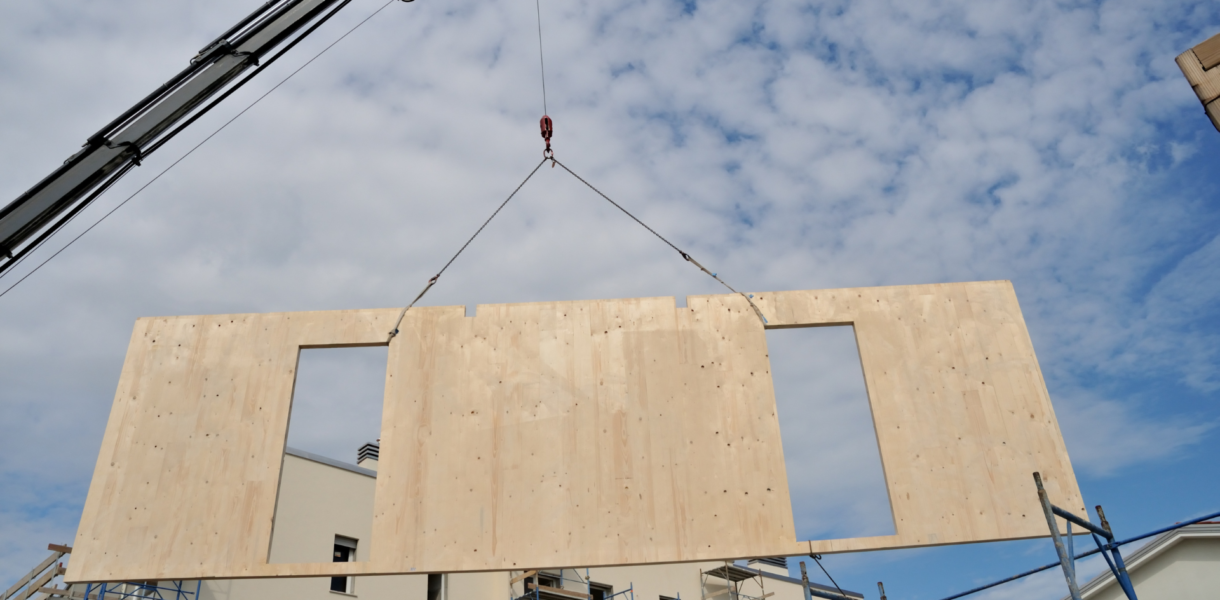
In exploring construction techniques, you may have stumbled upon “Prefab Homes”. They are homes that are primarily built elsewhere and later assembled at their building sites. This is a technique that was employed during the second world war where a lot of housing needed to be constructed quickly over a short period of time. Since then, prefab homes have started re-emerging in major cities across the UK such as Liverpool and Manchester where there is a desperate need for housing. Due to the timeline in which they are set up, there’s a misconception around the quality of prefab homes when in fact they are built to a high standard and made to last. Continue reading to learn about prefab homes and their foundations solutions.
How They Differ to Normal Homes
The term “prefab” derives from the word “prefabricated”. The homes are built in different locations as mentioned before and are pre-made to some extent. They are made in a way that’s more energy efficient and requires less concrete. Helical pile installation is also used which reduces sound pollution which keeps disruption to a minimum. Traditional homes in comparison have foundations which are dug. It is noisy, long-winded and more expensive.
The Building Process
The process is much faster. This takes around half the time as the foundations are already laid. Faster installation means less upheaval which is helpful for a developer as sites can be small and with restricted access.
Safety
Safety isn’t compromised either, despite being built in a quick time frame. Strict criteria must be adhered to. These building code regulations must be followed and are tighter than that of normal builds.
Modular Homes
These are a type of prefab home. They are often compared to lego homes as walls are completed and manufactured before being assembled onsite. This method means tht buildings can be put together in days.