This is a paid collaboration.
Many parents consider PE lessons to have little importance when it comes to their child’s overall education and performance in school, as they’re unlikely to help them get into a better university or gain a better job. However, sports actually provide a huge range of benefits that shouldn’t be overlooked, helping children develop skills that can be transferred across other areas of their lives. I have teamed up with a prep school in Surrey to explore the benefits of sports in further detail below.
Physical and Mental Health
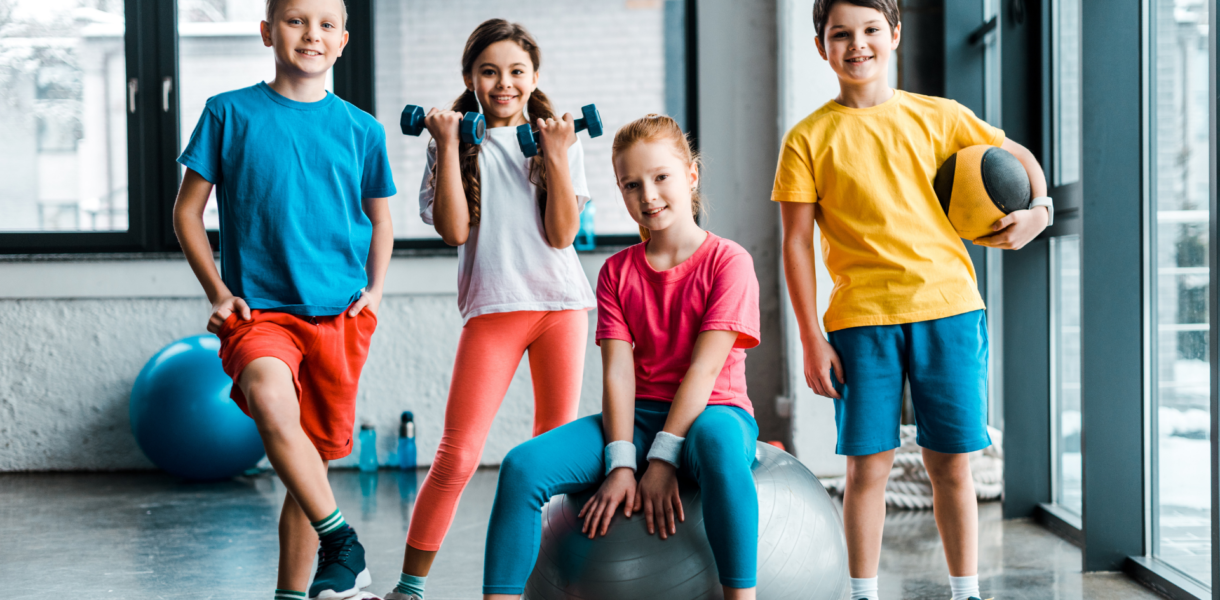
The most obvious benefit to PE lessons and sports in general is that they support growing minds and bodies. They help improve motor skills and increase strength and fitness, by making regular exercise a habit. Many children don’t have access to a safe outdoor space in which they can run around, play freely, climb trees and ride their bikes, which is why it’s important for them to exercise at school. This exercise can combat things like obesity, heart disease and diabetes. But as well as physical health, sports can help reduce anxiety and depression and help improve self-esteem. The physical activities carried out in PE lessons are adapted by age group to ensure students don’t feel too overwhelmed, while still pushing students and motivating them to reach new goals.
Social Skills
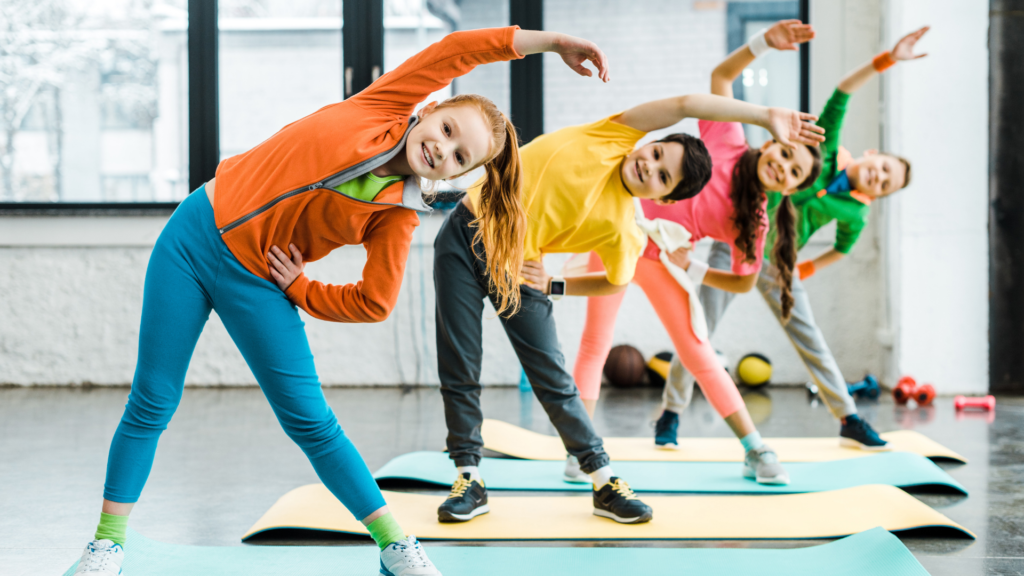
Sports in schools begins when children are very young, allowing them to learn from an early age how important it is to co-operate and work as part of a team. It’s a chance for them to practise their communication skills and support their peers, which they are usually unable to do in normal classroom environments, which paves the way for healthy social interactions. A pat on the back, handshake or a high five from team mates all help promote a sense of camaraderie.
Academic Performance
Better mood and cognitive function, positive peer relationships, increased self-esteem and healthier minds and bodies are all gained through sports. As a result, children are in a better frame of mind to approach their learning in a positive way, leading to improved academic performance. What’s more, by releasing pent up emotions and taking their mind of things for a short time, they are able to regulate their behaviour in class.