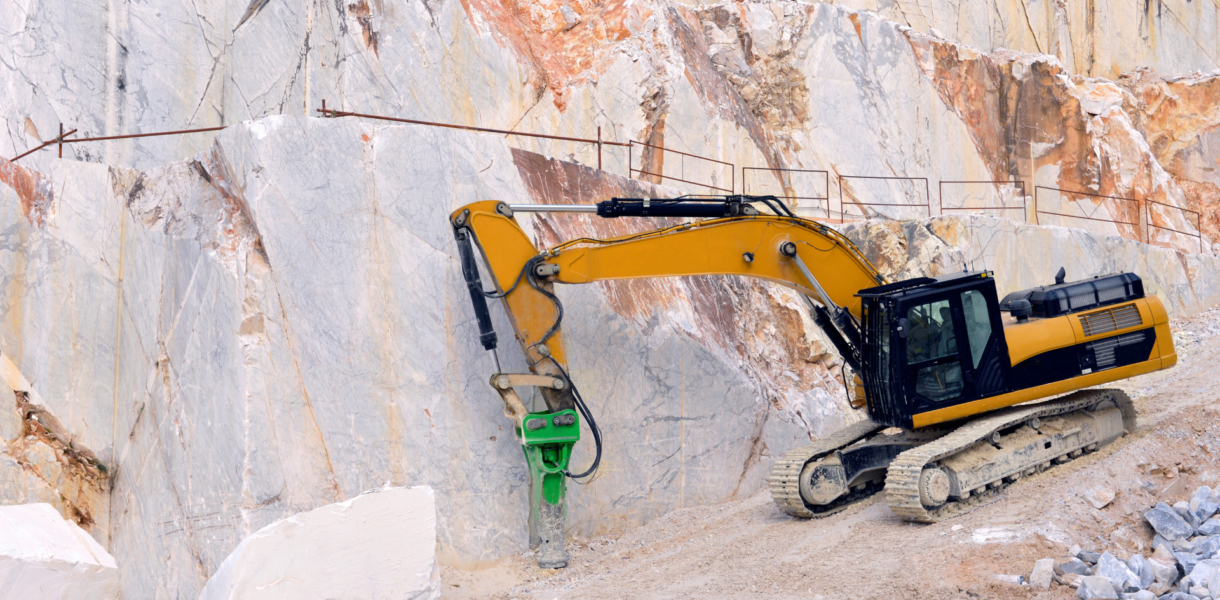
Geotechnical engineering is the process of engineering with rocks and soil. Given how important this practice is, most civil engineers don’t fully understand it. Geotechnical engineers are found in fields where they are getting down to work. Their isn’t the most eye catching or interesting to look at given the lack of a huge machine like a crane, but is still of importance to the engineering world. They work hard to test rock and soil and find ways to support foundations and retain tall walls. Their roles actually help prevent landslides and sinkholes from occurring by developing strategies for problems that may need attention for situation such as ground improvement.
Geotechnical engineering comes from civil engineering which is a broader field. It focuses on understanding and analysing the earths materials, specifically soil and rock. It is with this knowledge that they can design foundations that create the ability to carry heavy loads such as bridges and buildings on supported soil. Solid surfaces vary so this importance of this engineer is considerable.
By performing investigations on the quality of soil and surfaces, engineers are able to identify chemicals in the area and what may need treating or removing. From here, they are able to understand and make calculations depending on tunnels, retaining walls and levees. Once this done, samples are taken from the site for testing. Engineers perform strength tests and make further estimations for slope stability to develop strategies for problematic soil conditions.

This career is challenging but extremely rewarding for those who find an interest in engineering. The analysis of the earth in its natural state makes these types of engineers the first step to any building or bridge reaching the potential of even being built. It creates discipline and make many passionate for the work they do.